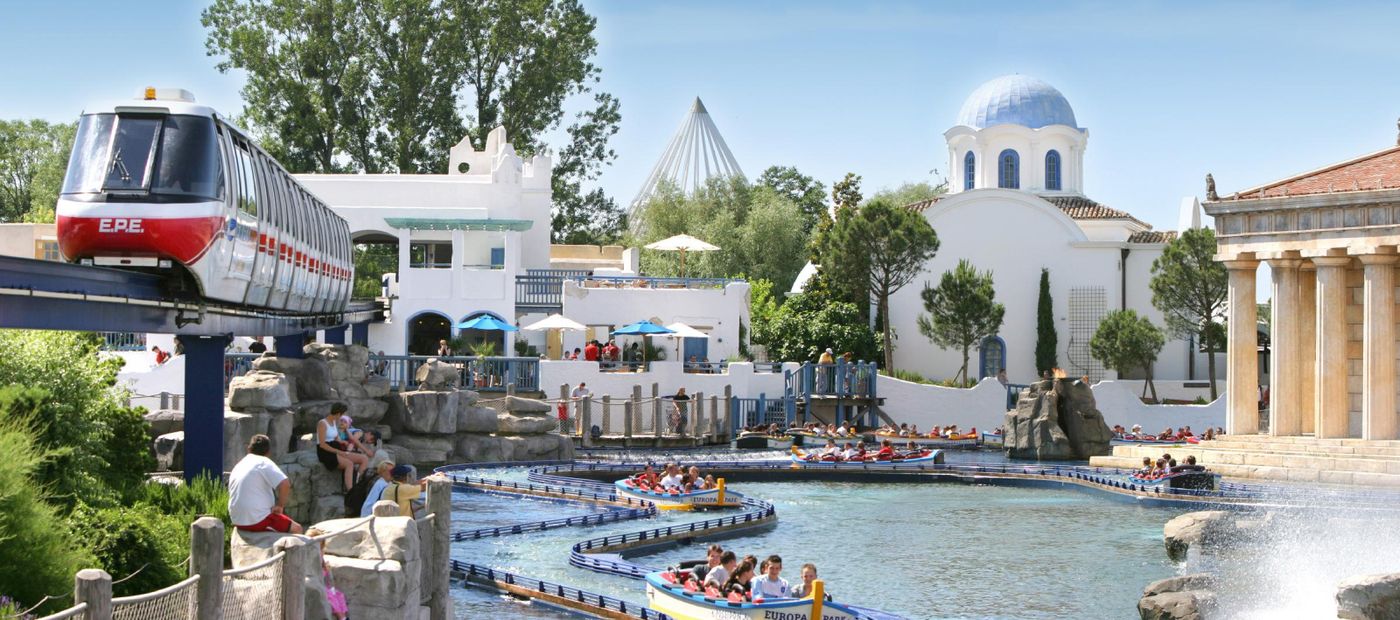
Europa-Park is one of the largest theme parks in the world. In such a vast park it is essential that guests find their way effortlessly, but in practice this turned out to be harder than expected. Many visitors found the existing wayfinding unclear or couldn't find the right information at the moments they needed it. In collaboration with Breda University of Applied Sciences (BUas), I got the chance to research this thoroughly.
Going deep: from theory to practice
A good solution starts with a strong foundation. That's why we began with extensive desk research. We looked at scientific literature on wayfinding and psychology: how do people process information while they walk? We also analysed best practices to see how other large parks tackle this successfully.
To test this theoretical knowledge, we spoke with various experts from the leisure industry. But the most important voice was that of the guest. During on-site research we observed the bottlenecks in practice and asked visitors for feedback. This gave an honest picture of where navigation fell short.
Practical advice for the future
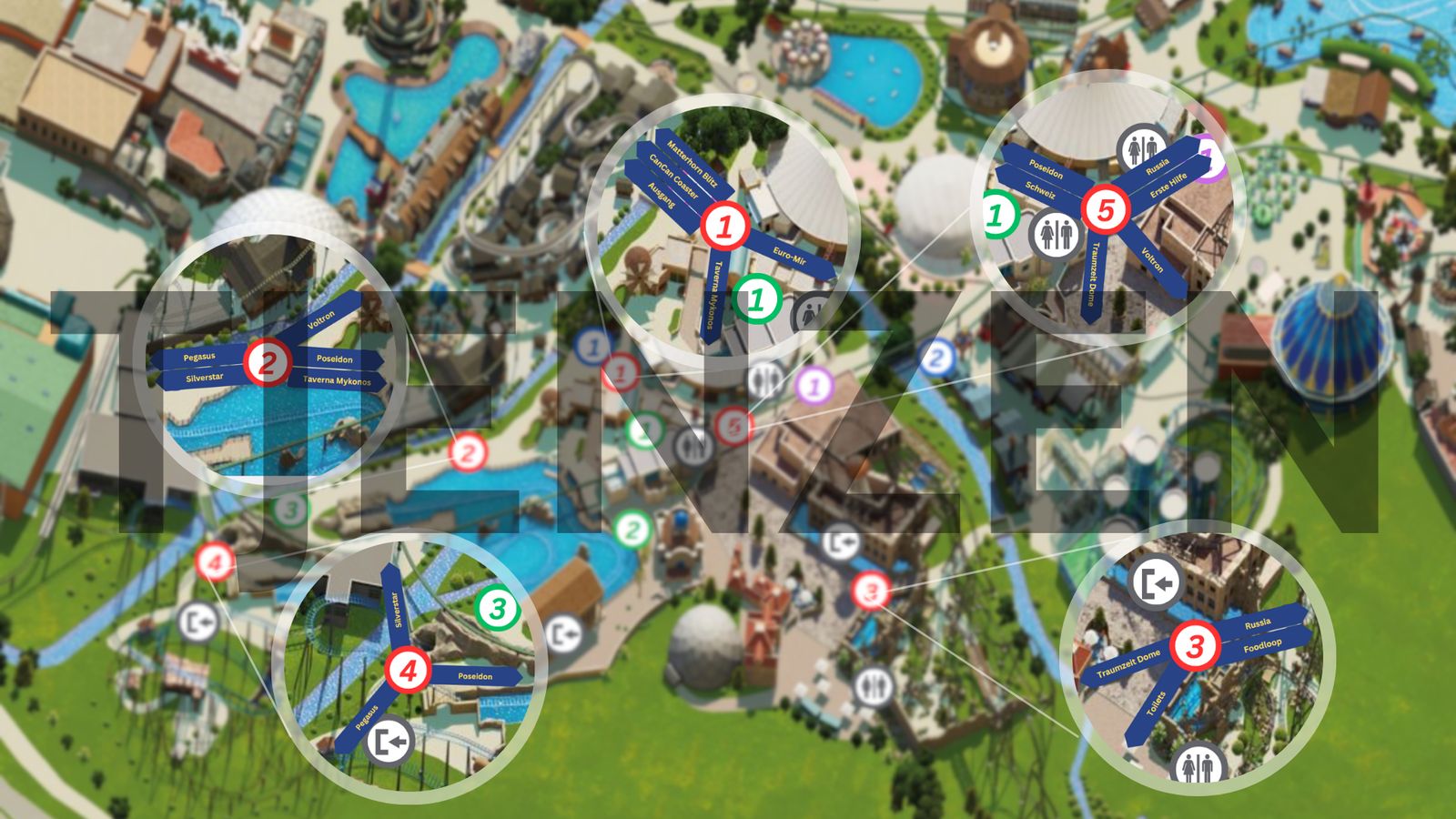
We brought all these insights together in an extensive advisory report. This report was more than just a theoretical description of the problem, because we immediately created a first visual draft of how the changes could look in practice.
Thanks to this combination of in-depth research and concrete design proposals, Europa-Park got a clear picture of the necessary improvements. The result is a blueprint that helps make the guest experience smoother and clearer, so visitors can spend their time on the attractions instead of looking for the way.